Rhinoplasty is one of the most popular cosmetic surgeries, offering significant improvements in both nasal appearance and breathing function. However, patients who suffer from seasonal allergies or frequent colds often worry about how these conditions might affect the recovery after nose surgery.
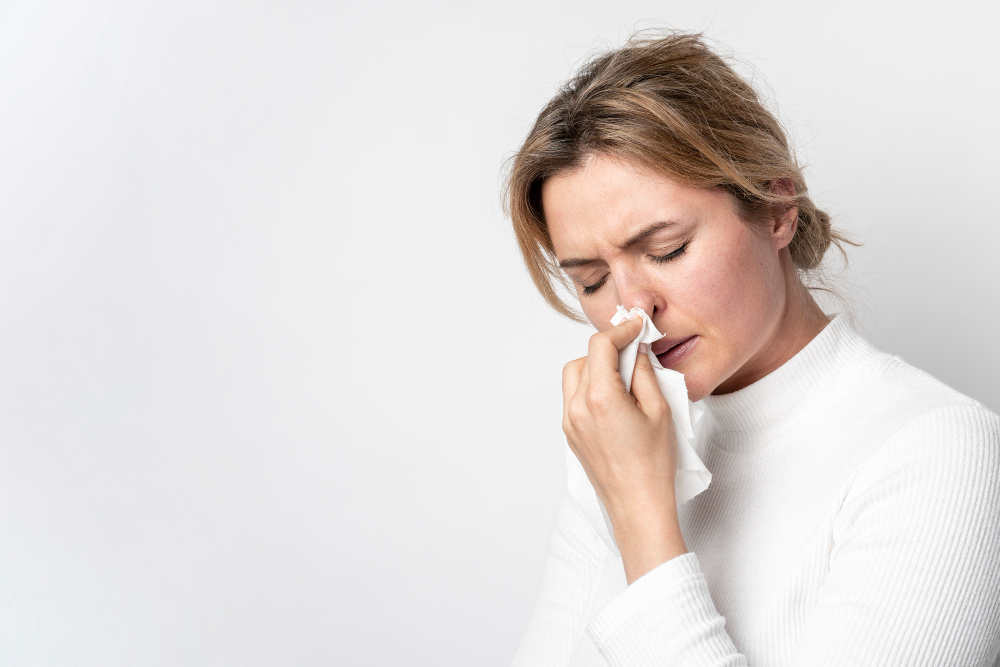
The most common question is: What happens if I sneeze, blow my nose, or feel congested after rhinoplasty? Let’s break this down and provide some practical tips for a safe and smooth recovery.
Why are allergies a concern after rhinoplasty?
After rhinoplasty, the nasal tissues are in the healing process. The area is delicate, and any strong pressure or repeated irritation could compromise comfort or, in rare cases, healing. Allergies often trigger nasal inflammation, sneezing, and a runny nose, which can make patients feel anxious during the early weeks of recovery.
What if I sneeze after surgery?
Sneezing is a natural reflex, and it cannot be fully controlled. Surgeons advise patients to sneeze with their mouth open, so the pressure is released through the mouth rather than the nose. This simple adjustment protects the sutures, cartilage, and bones as they heal.
Can I blow my nose after rhinoplasty?
During the first few weeks after surgery, it is strongly recommended to avoid blowing your nose forcefully. Instead, patients can:
- Gently dab the area with sterile gauze or soft tissues.
- Use saline nasal sprays or irrigations (only if approved by the surgeon).
- Keep the nose moisturized and follow all medical instructions.
Tips for allergy-prone patients during recovery
- Tell your surgeon about your allergy history before surgery.
- Avoid exposure to dust, pollen, or smoke during recovery.
- Take prescribed antihistamines or allergy medication as directed. Some surgeons even recommend starting treatment before surgery.
- Use a humidifier at home to reduce dryness and nasal irritation.
- Don’t panic: a sneeze or mild runny nose will not ruin your rhinoplasty results. The key is avoiding repeated pressure or forceful nose blowing.
Conclusion
Having allergies or catching a cold does not mean you cannot undergo rhinoplasty. The most important factor is to understand the specific recovery guidelines after nose surgery and follow your surgeon’s advice. With careful management of allergy symptoms, patients can heal successfully and enjoy the aesthetic and functional benefits of rhinoplasty.