Introduction
Rhinoplasty is one of the most widely known facial aesthetic procedures. For many years, it was associated with visible and standardized changes to the nose. However, rhinoplasty has undergone a significant evolution in both its medical approach and its objectives.
Today, rhinoplasty is indicated for patients seeking aesthetic improvement, functional enhancement, or both, with a clear goal: achieving facial harmony while preserving individual identity. Natural results are now considered essential, not as a fashion trend, but as a direct consequence of surgical and anatomical advancement.
Being properly informed is crucial to making responsible decisions. Understanding the scope and limitations of modern rhinoplasty allows patients to approach the procedure with realistic expectations and confidence.
How rhinoplasty has evolved over time
Rhinoplasty originally focused on reconstructive goals, addressing traumatic or congenital deformities. As aesthetic surgery developed, nasal procedures became more common, but results were often standardized and did not always respect facial individuality.
Contemporary rhinoplasty is based on comprehensive facial analysis. The nose is evaluated in relation to the entire face, recognizing that each patient has unique anatomical characteristics. This holistic approach has replaced rigid models with personalized surgical planning.
What natural results mean in rhinoplasty
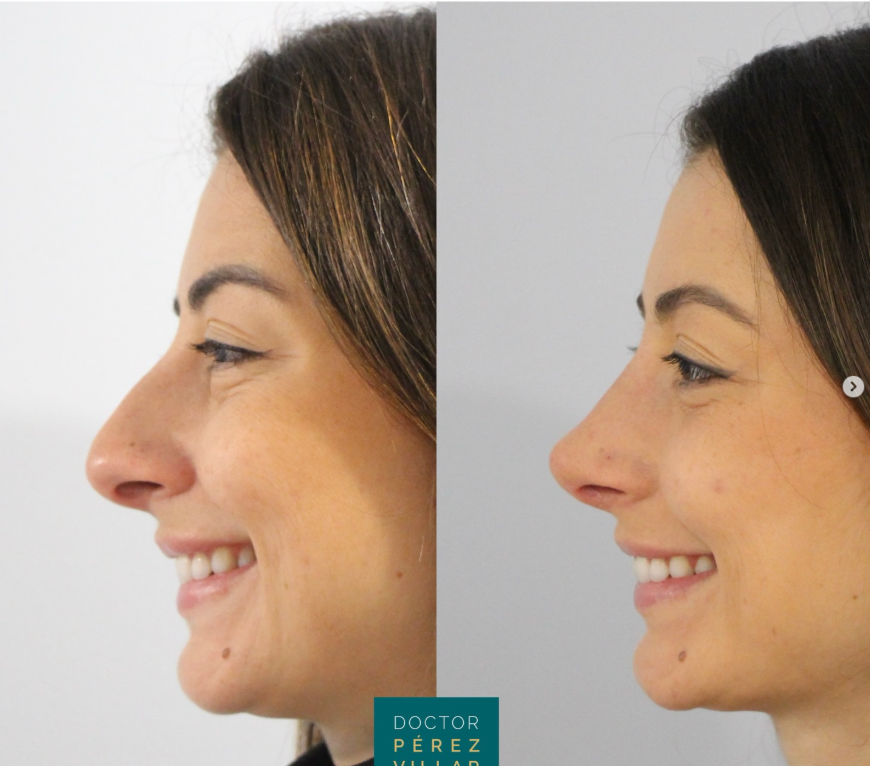
From a medical perspective, natural rhinoplasty results mean that the nose does not appear surgically altered. The goal is for the nose to integrate harmoniously with the rest of the facial features, preserving expression and identity.
Natural results do not imply the absence of change, but rather balanced improvement. The nose should maintain appropriate proportions in relation to the forehead, cheeks, lips, and chin, while respecting original nasal anatomy.
Current indications for rhinoplasty
Rhinoplasty may be indicated for aesthetic reasons, functional reasons, or a combination of both. Each patient requires an individual evaluation, as needs and expectations vary.
Aesthetic indications may include dorsal irregularities, tip concerns, asymmetries, or facial disproportion. Functional indications may involve breathing difficulties related to nasal structure. Addressing both aspects in a single procedure is common when medically appropriate.
Types of rhinoplasty in modern surgery
Advances in rhinoplasty have led to different surgical approaches. Structural rhinoplasty focuses on reinforcing nasal support for stability and long-term results. Conservative rhinoplasty aims to preserve as much natural structure as possible. Ultrasonic rhinoplasty allows precise and controlled bone work.
The choice of technique depends on the patient’s anatomy and the goals established during medical evaluation.
Surgical process overview
The rhinoplasty process begins with a detailed medical assessment. This includes clinical history, facial and nasal analysis, respiratory evaluation, and discussion of patient expectations. Personalized planning is essential for safety and coherence.
Surgery is performed in a hospital setting, following established medical protocols and using the most appropriate technique for each individual case.
Postoperative period and recovery
Recovery after rhinoplasty is gradual. Initial swelling is a normal part of the healing process and decreases progressively. As tissues adapt, the final result becomes more defined over time.
Medical follow-up and adherence to postoperative instructions are essential for proper healing. Full recovery is not immediate and requires patience and regular check-ups.
Risks and limitations
Like any surgical procedure, rhinoplasty involves risks and limitations. Outcomes are not identical for every patient, as tissue response varies.
Understanding these limitations allows patients to make informed decisions and maintain realistic expectations regarding the final result.
Realistic expectations and medical trust
A successful rhinoplasty depends on appropriate indication, surgical expertise, and clear communication between surgeon and patient. Understanding that the goal is improvement and harmony rather than absolute perfection is essential for long-term satisfaction.
Natural results in rhinoplasty are the outcome of responsible medical practice, not aesthetic trends.
Conclusion
The evolution of rhinoplasty shows that natural results are not a trend, but the result of medical, technical, and ethical progress in aesthetic surgery. Modern rhinoplasty respects facial identity, enhances harmony, and preserves nasal function.
Proper information and trust in a qualified specialist are key to approaching this procedure safely and confidently.