The nose is one of the most visible and delicate structures of the face. A blow or accident can cause both aesthetic and functional issues, affecting breathing and facial harmony. At Clínica Pérez Villar, led by maxillofacial surgeon Álvaro Pérez Villar, we provide precise and safe solutions to correct nasal trauma. This article answers the most frequently asked questions from patients looking to restore their nose after an injury.
1. What is nasal trauma?
Nasal trauma occurs when the bones or cartilage of the nose are affected by an impact. Common causes include:
-
Sports injuries (soccer, handball, martial arts)
-
Falls or traffic accidents
-
Domestic accidents or assaults
Common consequences of nasal trauma: internal bruising, deviated septum, nasal dorsum collapse, difficulty breathing, or visible aesthetic deformity.
2. How can ultrasonic rhinoplasty help?
Ultrasonic rhinoplasty is an advanced technique that uses ultrasound to reshape the nasal bones precisely, minimizing damage to surrounding tissues. Its main advantages include:
-
Reduced bleeding and bruising
-
Greater accuracy in fractures and reconstruction of dorsum or tip
-
Faster and more comfortable recovery
-
Natural and symmetrical results
This technique is ideal for recent or old trauma, including complex deviations or dorsal depressions.
3. Problems if nasal trauma is left untreated
Untreated nasal trauma can lead to:
-
Deviated septum and breathing difficulties
-
Asymmetry or dorsal collapse
-
Chronic pain or recurrent swelling
-
Internal or external scars in severe cases
Ultrasonic rhinoplasty can correct these issues, restoring both nasal function and facial aesthetics.
4. Recovery after ultrasonic rhinoplasty
-
Relative rest for 7–10 days
-
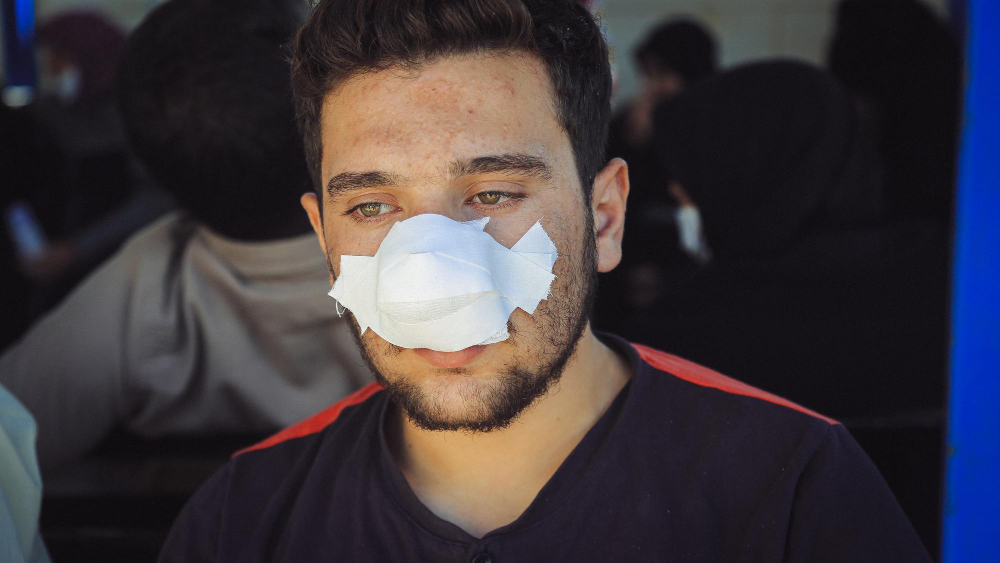
Use of a nasal splint during the first week
-
Gradual reduction of swelling over 2–4 weeks
-
Complete recovery of shape and function in 2–3 months
Thanks to ultrasound technology, recovery is generally faster and more comfortable than traditional rhinoplasty.
5. Risks and precautions
Although ultrasonic rhinoplasty is very safe, minimal risks include:
Dr. Álvaro Pérez Villar customizes each procedure to minimize risks, ensuring natural and functional results.
6. Frequently Asked Questions (FAQs)
Q: Can I undergo surgery if my trauma happened years ago?
A: Yes, even old deformities can be corrected with ultrasonic rhinoplasty.
Q: Does the surgery hurt?
A: The procedure is performed under local anesthesia with sedation or general anesthesia, so patients do not feel pain during the surgery.
Q: When can I return to sports?
A: Light activities after 3–4 weeks; contact sports after 6–8 weeks.
Q: Will my nose look natural?
A: Yes, ultrasonic rhinoplasty allows precise remodeling, respecting facial harmony and nasal function.
Conclusion:
Nasal trauma can affect both aesthetics and breathing if left untreated. Ultrasonic rhinoplasty performed by Dr. Álvaro Pérez Villar offers a safe, precise solution with a fast recovery, restoring confidence and well-being to patients.