Ultrasonic rhinoplasty is an advanced surgical technique that reshapes the nasal bones using high-precision ultrasonic energy. When patients ask about one year after ultrasonic rhinoplasty, they usually want to understand whether the results are final, whether swelling has completely resolved, and what subtle changes may still occur.
This procedure is indicated for patients seeking correction of structural nasal concerns—such as a dorsal hump, deviation, or asymmetry—or those wishing to improve facial harmony while maintaining a natural appearance. Proper medical information is essential, as the final outcome is not immediate. The definitive result requires time, medical follow-up, and realistic expectations.
Clear Medical Overview of Ultrasonic Rhinoplasty
Ultrasonic rhinoplasty is a nasal surgery technique that uses piezoelectric ultrasonic instruments to precisely reshape nasal bones while minimizing trauma to surrounding soft tissues.
One year after surgery, most residual swelling has significantly decreased, and the nasal framework is generally considered structurally stable.
The final outcome depends on individual factors such as skin thickness, preoperative anatomy, and the patient’s healing response.
What Happens During the First Year After Ultrasonic Rhinoplasty?
Recovery after ultrasonic rhinoplasty is progressive. Although structural changes occur during surgery, the external appearance continues to evolve over several months as swelling gradually subsides.
Visible Changes One Year After Ultrasonic Rhinoplasty
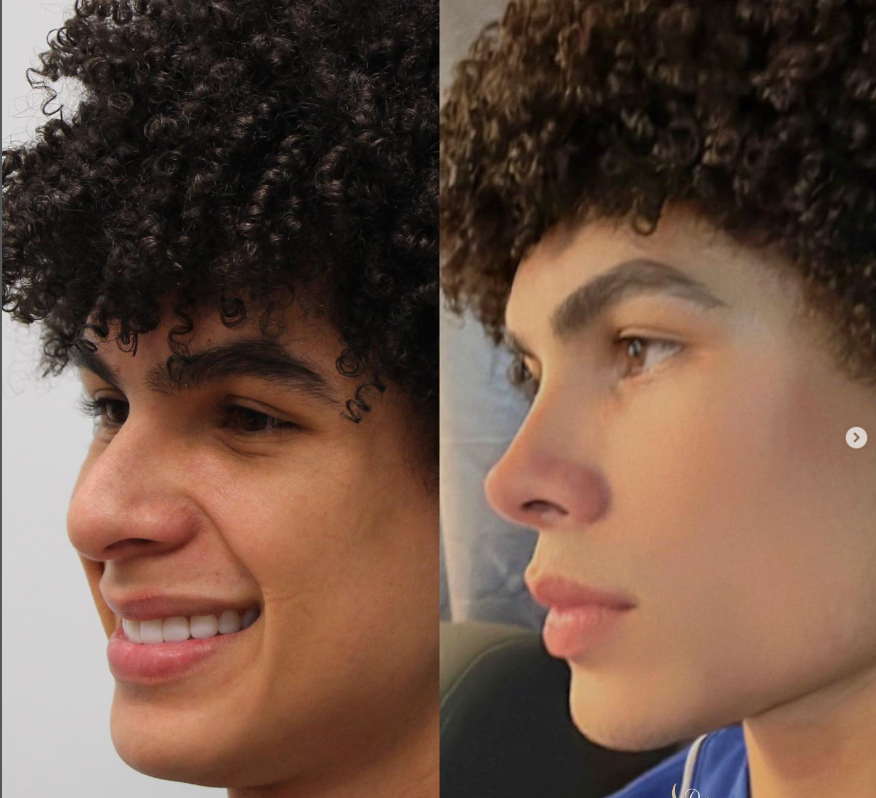
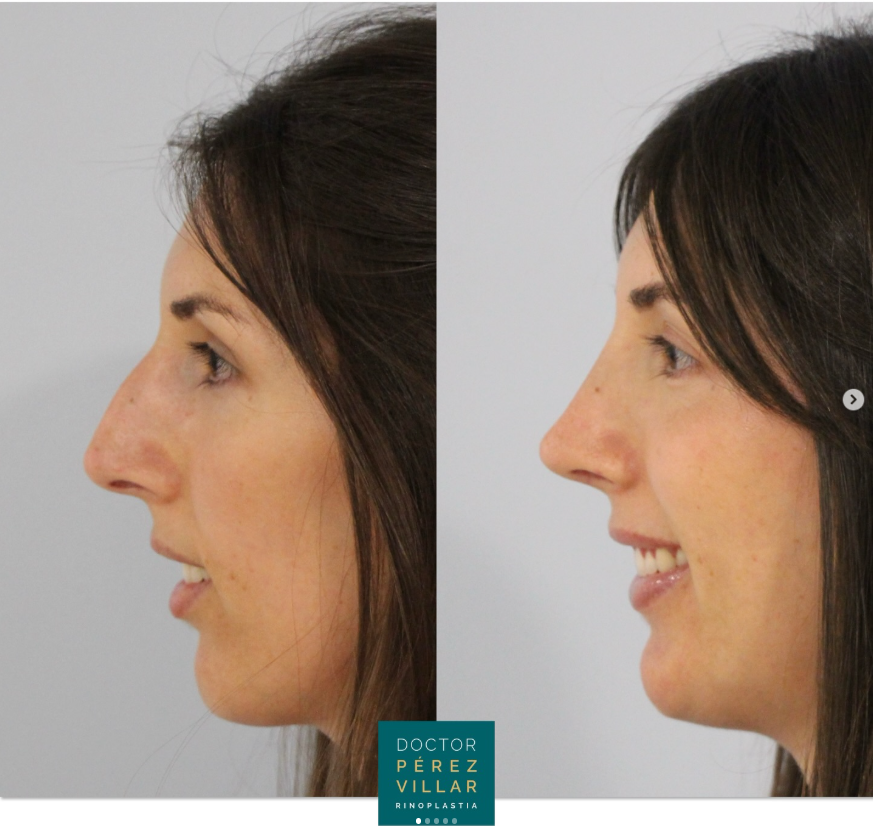
One year after ultrasonic rhinoplasty, the nose typically appears more natural and harmonized with the rest of the face. Deep swelling has largely resolved, and tissues have adapted to the new structural framework.
Definition of the Nasal Bridge
Correction of a dorsal hump or bony irregularities becomes more evident once residual swelling subsides. The bridge usually appears smoother and more uniform.
Evolution of the Nasal Tip
The nasal tip is often the last area to fully refine. At one year:
- Definition and projection are generally stable.
- The skin has progressively adapted to the reshaped cartilage.
- Initial firmness typically softens over time.
Natural Appearance
Modern rhinoplasty aims for facial harmony rather than dramatic transformation. At one year, results usually integrate naturally into the patient’s overall facial features.
Indications for Ultrasonic Rhinoplasty
Ultrasonic rhinoplasty may be considered in patients with:
- A dorsal bony hump.
- Nasal deviation with aesthetic concerns.
- Structural asymmetry.
- A drooping or poorly defined nasal tip.
- Imbalance between the nose and other facial proportions.
A comprehensive medical evaluation is required to determine whether the procedure is appropriate. Not all nasal anatomies require the same surgical approach.
Types of Rhinoplasty Using Ultrasonic Technique
Structural Ultrasonic Rhinoplasty
Focuses on precise reshaping of the nasal bones using ultrasonic instruments.
Ultrasonic Septorhinoplasty
Combines functional septal correction with aesthetic nasal reshaping.
Revision Rhinoplasty
Performed in previously operated patients. Requires careful planning and advanced surgical expertise.
Each category addresses specific anatomical needs and requires individualized surgical strategy.
How Is Ultrasonic Rhinoplasty Performed?
Ultrasonic rhinoplasty is performed in an operating room under anesthesia with appropriate medical monitoring. Preoperative planning is essential to establish realistic and individualized goals.
General Surgical Steps
- Preoperative evaluation and photographic documentation.
- Detailed structural analysis and surgical planning.
- Surgical access (open or closed approach depending on the case).
- Bony reshaping using ultrasonic instruments.
- Cartilage refinement and internal structural adjustments.
- Placement of a protective nasal splint.
The ultrasonic technique allows controlled bone remodeling while limiting impact on surrounding tissues.
Postoperative Care and Evolution Up to One Year
Postoperative care plays a significant role in long-term outcomes.
Common Postoperative Recommendations
- Relative rest during the initial days.
- Avoid nasal trauma.
- Refrain from wearing glasses for the period recommended by the surgeon.
- Attend scheduled follow-up appointments.
- Seek medical advice if unexpected symptoms occur.
Regular follow-up enables assessment of healing progression and early identification of any concerns.
Is the Result Final at One Year?
In most patients, the one-year result is considered structurally stable. However, several factors may influence final appearance:
- Skin thickness and quality.
- Individual healing characteristics.
- Initial surgical complexity.
- Adherence to postoperative instructions.
In selected cases, subtle refinements may continue beyond the first year, particularly in the nasal tip.
Risks and Limitations of Ultrasonic Rhinoplasty
All surgical procedures carry potential risks. Ultrasonic rhinoplasty does not guarantee identical results for every patient.
Possible risks may include:
- Prolonged swelling.
- Mild asymmetries.
- Temporary sensory changes.
- Need for revision in selected cases.
Preoperative counseling should provide clear, balanced, and medically grounded information.
Realistic Expectations One Year After Surgery
One year after ultrasonic rhinoplasty, evaluation should focus on overall facial harmony and nasal function rather than absolute perfection.
The nose is a complex three-dimensional structure. Minor asymmetries can be normal and do not necessarily indicate an unsatisfactory outcome.
Transparent communication between patient and surgeon supports a balanced perception of results.
Safety and Trust: The Importance of Individual Assessment
Ultrasonic rhinoplasty requires specialized training in nasal surgery. Patient safety depends on:
- Accurate anatomical diagnosis.
- Individualized surgical planning.
- Clear explanation of realistic possibilities and limitations.
- Appropriate postoperative monitoring.
A personalized medical evaluation is essential to determine candidacy and expected outcomes.
Medical Follow-Up After One Year
Even when results appear stable, medical follow-up provides reassurance. Follow-up visits help to:
- Confirm structural stability.
- Assess nasal breathing function.
- Address residual concerns.
- Provide long-term care guidance.
Professional follow-up is an integral component of the surgical process.
One Year After Ultrasonic Rhinoplasty…
One year after ultrasonic rhinoplasty, most patients present with a structurally stable nose, minimal residual swelling, and refined definition.
The final outcome depends on individual healing patterns and appropriate surgical planning. Ultrasonic rhinoplasty is a precise tool within modern nasal surgery, but its success is influenced by anatomy, biological response, and realistic expectations.
Understanding the gradual nature of recovery allows patients to approach the process with informed and balanced expectations.