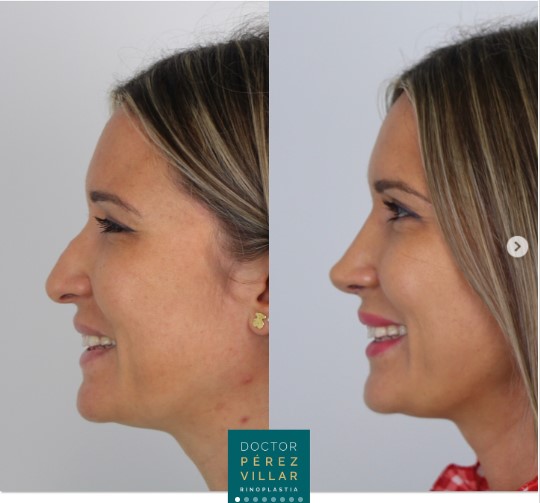
Are you looking for a solution to improve the appearance of your nose? Ultrasonic rhinoplasty could be the answer you’re looking for. This surgical procedure has revolutionized the field of cosmetic surgery, offering natural results and a quicker recovery.
What is a facial lift?
A facial lift, also known as a rhytidectomy, is a surgical procedure that aims to rejuvenate the face by removing excess skin, repositioning soft tissues, and tightening muscles. This helps to reduce wrinkles, sagging skin, and double chin, achieving a younger and more natural appearance.
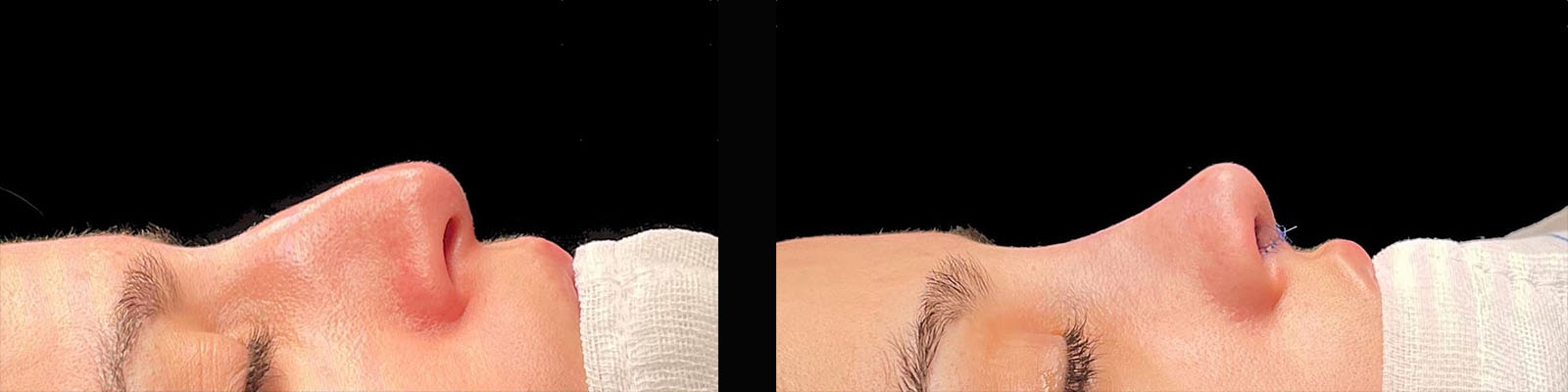
Rhinoplasty, commonly referred to as a “nose job,” is a surgical procedure that meticulously reshapes the nose’s structure and appearance. It stands as one of the most sought-after cosmetic procedures worldwide, addressing both functional and aesthetic concerns to restore harmony to the facial features.
Delving into Rhinoplasty
Rhinoplasty is typically performed under either general or local anesthesia, tailored to the individual patient’s needs. With meticulous precision, the surgeon makes incisions along the skin covering the nose, granting access to the underlying bone and cartilage. With utmost care, the nasal tissues are meticulously reshaped to achieve the patient’s desired aesthetic outcome. Finally, the incisions are carefully sutured, and a nasal splint is placed to safeguard the treated area.
Exploring the Spectrum of Rhinoplasty Types
Encompassing a diverse range of techniques, rhinoplasty can be categorized based on the specific area of the nose being addressed:
- Primary Rhinoplasty: This procedure marks the initial rhinoplasty performed on a patient.
- Revision Rhinoplasty: This procedure addresses concerns in patients who have undergone a previous rhinoplasty and are dissatisfied with the results.
- Functional Rhinoplasty: Primarily focused on alleviating breathing difficulties caused by structural abnormalities within the nose.
- Cosmetic Rhinoplasty: Aims to enhance the nose’s appearance by correcting imperfections such as asymmetries, a prominent nasal hump, an oversized or drooping nasal tip, and others.
- Ultrasonic Rhinoplasty: A modern, minimally invasive technique that facilitates a quicker recovery period.
Navigating Rhinoplasty Techniques
Surgeons employ two primary approaches to perform rhinoplasty:
- Closed Rhinoplasty: Incisions are concealed within the nose, leaving no visible external scars.
- Open Rhinoplasty: A small incision is made on the columella (the skin separating the nostrils), providing the surgeon with a more unobstructed view of the nasal structure.
Selecting the Most Suitable Rhinoplasty Type
The most appropriate rhinoplasty technique for each patient is determined by a combination of factors, including:
- Current Nasal Shape: The patient’s existing nasal structure plays a crucial role in determining the surgical approach.
- Patient’s Goals: Understanding the patient’s aesthetic aspirations and functional concerns guides the procedure.
- Medical History: A thorough medical history assessment ensures the patient’s candidacy for the procedure.
- Surgeon’s Expertise: The surgeon’s skill and experience in the chosen rhinoplasty technique are paramount.
Embarking on Rhinoplasty Preparation
Prior to rhinoplasty, patients undergo a comprehensive evaluation, including:
- Consultation: A detailed consultation with the surgeon involves discussing goals, expectations, and medical history.
- Physical Examination: A thorough physical examination assesses the nose’s structure and overall health.
- Medical Tests: Laboratory tests and imaging studies may be ordered to evaluate the patient’s overall health.
- Pre-operative Medications: Certain medications may be advised to optimize healing and minimize risks.
Navigating Rhinoplasty Recovery
Following rhinoplasty, patients can expect:
- Initial Swelling and Bruising: Temporary swelling and bruising around the nose and eyes are common.
- Discomfort and Congestion: Nasal discomfort and congestion may persist for a few days.
- Rest and Elevation: Adequate rest and head elevation promote healing and reduce swelling.
- Post-operative Care: Follow-up appointments with the surgeon are crucial to monitor healing and provide necessary care.
- Full Recovery: Complete recovery typically takes several weeks, with the final results gradually emerging over months.
Rhinoplasty: A Life-Altering Transformation
Rhinoplasty can profoundly impact an individual’s life by enhancing facial harmony, boosting self-esteem, and improving respiratory function. When approached with meticulous care and expertise, rhinoplasty can transform lives, restoring confidence and fostering a sense of well-being.