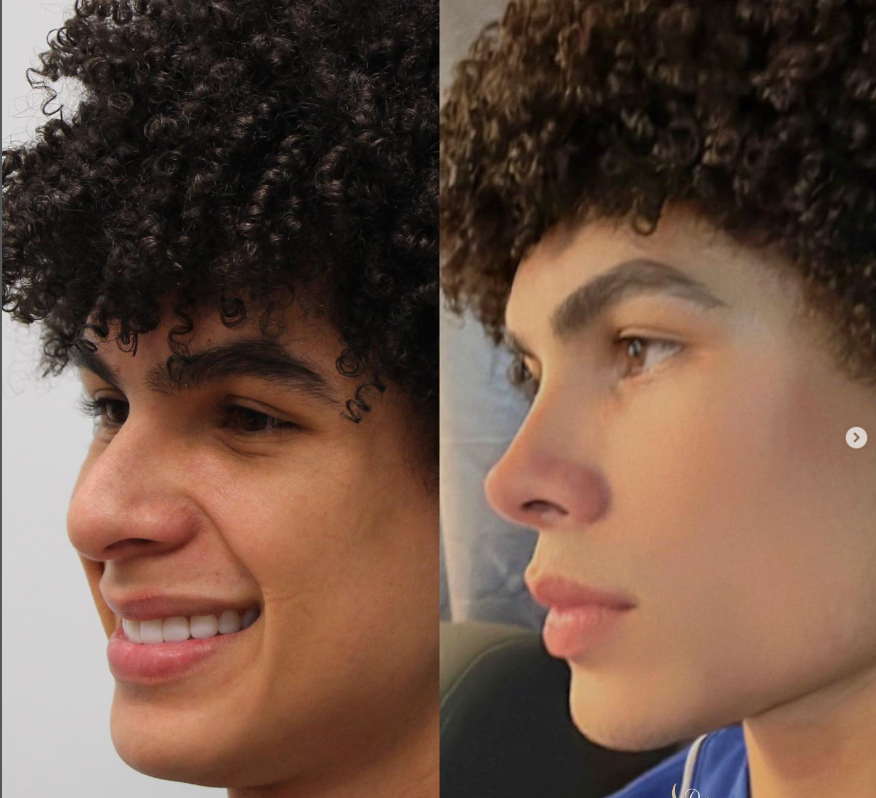
Ultrasonic rhinoplasty is an advanced surgical technique used to reshape the nasal bones with precision. In patients with a wide nose, it can help narrow the nasal bridge and improve facial harmony while preserving structural stability.
A wide nose may result from broad nasal bones, a poorly defined tip, flared nostrils, or a combination of structural factors. Not all cases are the same, and surgical planning depends on which anatomical components contribute to the appearance of width.
Understanding how ultrasonic rhinoplasty works and what it can realistically achieve is essential before considering surgery.
What Is Ultrasonic Rhinoplasty from a Medical Perspective?
Ultrasonic rhinoplasty is a technique that uses piezoelectric instruments to reshape nasal bones in a controlled and selective manner.
These devices allow the surgeon to:
- Act specifically on bone tissue
- Preserve surrounding soft tissues
- Perform precise bone cuts
- Improve control when narrowing the nasal bridge
In cases where nasal width is primarily caused by broad nasal bones, ultrasonic technology can facilitate accurate structural narrowing.
Ultrasonic rhinoplasty is a surgical tool, not a different type of rhinoplasty procedure. The overall principles of structural rhinoplasty remain the same.
What Defines a Wide Nose?
Nasal width can originate from different anatomical levels:
- Wide bony bridge: the upper third of the nose appears broad
- Bulbous nasal tip: cartilage is wide or lacks definition
- Wide alar base: nostrils appear flared
- Combined structural factors
Each of these requires a specific surgical approach.
Not every wide nose requires surgery. Proportion relative to the rest of the face is a key consideration.
Causes of a Wide Nose
Genetic Factors
Nasal shape is largely inherited. Some individuals naturally have broader nasal bones or wider alar bases.
Broad Nasal Bones
When the nasal bones are naturally wide, the upper nasal bridge may appear expanded.
Cartilage Structure
Wide or divergent lower lateral cartilages may create a rounded or bulbous tip.
Thick Skin
Thicker skin may limit visible definition after surgery and influence surgical planning.
When Is Ultrasonic Rhinoplasty Indicated for a Wide Nose?
Ultrasonic rhinoplasty may be considered when:
- The nasal bridge is structurally wide
- Bone narrowing is required
- Precise osteotomies are necessary
- The patient seeks improved facial balance
If the width is primarily cartilaginous or related to the nostrils, additional techniques may be required.
Surgical indication must always be based on individual anatomical evaluation.
How Ultrasonic Rhinoplasty Narrows a Wide Nose
The procedure may involve:
- Comprehensive facial and nasal evaluation
- Structural analysis of nasal bones and cartilage
- Controlled ultrasonic osteotomies
- Inward repositioning of the nasal bones
- Tip refinement if indicated
- Temporary external splint placement
The goal is not simply reduction, but structural realignment and proportional refinement.
Maintaining nasal function and stability remains essential.
Does Ultrasonic Rhinoplasty Reduce Swelling?
Ultrasonic instruments act selectively on bone tissue. This may allow for greater surgical precision and soft tissue preservation.
However, all rhinoplasty procedures involve postoperative inflammation. Swelling varies between individuals and depends on multiple factors, including skin thickness and surgical complexity.
Technology does not eliminate the normal healing process.
Recovery After Ultrasonic Rhinoplasty for a Wide Nose
It is common to experience:
- Facial swelling
- Bruising around the eyes
- Temporary nasal congestion
General postoperative recommendations include:
- Avoiding intense physical activity during early healing
- Protecting the nose from trauma
- Sleeping with the head elevated
- Following medical instructions carefully
Final definition becomes more visible as residual swelling gradually resolves.
Healing timelines vary from patient to patient.
Risks and Limitations
Ultrasonic rhinoplasty does not eliminate the inherent risks of nasal surgery.
Potential considerations include:
- Prolonged swelling
- Mild asymmetries
- Temporary changes in sensitivity
- Need for revision in selected cases
The degree of narrowing achievable depends on anatomy, skin quality, and structural constraints.
Natural facial asymmetry exists in all individuals. Perfect symmetry cannot be guaranteed.
Realistic Expectations in Wide Nose Correction
The objective of ultrasonic rhinoplasty in a wide nose is to:
- Improve facial proportions
- Narrow the nasal bridge when structurally indicated
- Enhance tip definition if necessary
- Preserve or improve nasal breathing
The goal is facial harmony, not artificial transformation.
Clear communication between patient and surgeon is essential for aligning expectations.
Safety and Individualized Evaluation
A proper surgical plan requires:
- Detailed anatomical examination
- Functional breathing assessment
- Skin quality evaluation
- Photographic analysis from multiple angles
Experience in structural rhinoplasty and familiarity with ultrasonic instrumentation are important factors in surgical planning.
Postoperative follow-up is an integral part of treatment and ensures appropriate healing supervision.