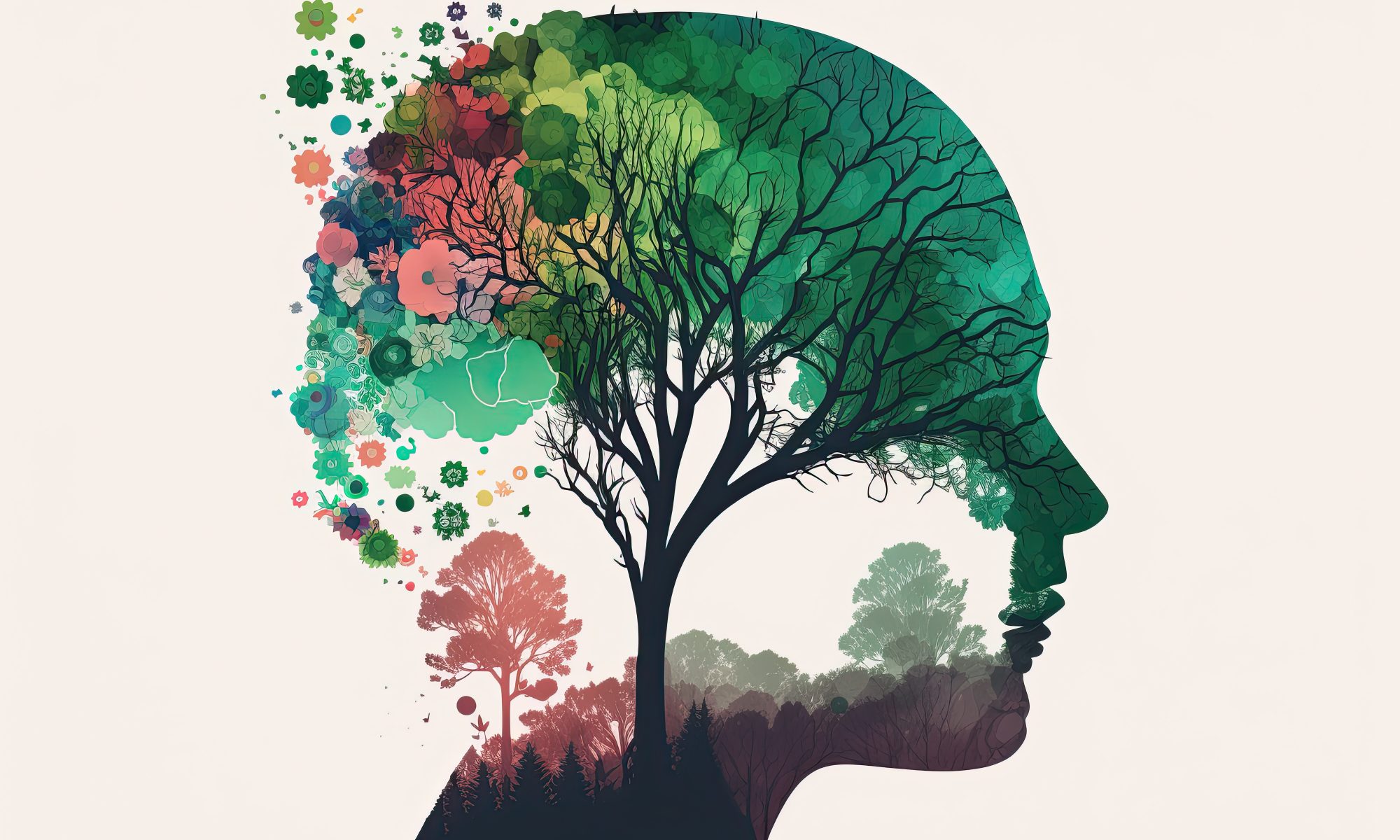
Facial aesthetic medicine not only seeks to improve the external appearance, but also has a significant impact on the mental health of those who opt for these procedures. Beyond the pursuit of youth or beauty with a scalpel, these treatments can contribute positively to psychological well-being.
In this article, we will discuss the mental health benefits of facial aesthetic medicine and how these interventions can be a valuable tool for improving confidence and mood.
Psychological wellbeing through facial aesthetic medicine
Below, we will look at some of the ways in which facial aesthetic medicine can contribute to better mental health in patients:
The relationship between physical appearance and self-esteem is undeniable. Facial aesthetic medicine, by addressing aesthetic concerns, can boost self-confidence and improve self-perception.
- Reduced Stress and Anxiety:
Discomfort with certain aspects of our appearance can lead to stress and anxiety. By addressing these aesthetic concerns, the emotional burden can be reduced, thus promoting mental health.
- Rejuvenation and Vitality:
Facial aesthetic procedures, such as botulinum toxin and dermal fillers with hyaluronic acid, not only treat wrinkles, but can also provide a fresher, rejuvenated appearance. This can positively influence the perception of personal vitality and energy.
The Role of Aesthetic Facial Treatments
The connection between appearance and mental health goes beyond vanity. Here we explore how certain facial aesthetic procedures can contribute to psychological well-being:
- Botulinum toxin for wellness:
Botulinum toxin not only softens fine lines, but can also have an impact on mood. By relaxing facial muscles, the expression of negative emotions is reduced, which can positively influence emotional well-being.
- Dermal fillers and the construction of self-image:
Dermal fillers not only restore lost volume, but can also contribute to a more harmonious facial image. This can have psychological effects, improving the perception of one’s own appearance.
Conclusion: holistic wellness through facial aesthetic medicine
In conclusion, facial aesthetic medicine goes beyond the pursuit of an ideal appearance; it has the power to positively impact mental health. Improved self-esteem, reduced stress and anxiety, as well as facial rejuvenation, all contribute to holistic wellbeing. It is essential to understand that these procedures should not be seen as magical solutions, but they can be valuable tools for those seeking to improve both their appearance and their mental health.
We, as advocates of responsible aesthetic medicine, stress the importance of seeking qualified and ethical professionals when considering any procedure. Consultation with an aesthetic medicine specialist is crucial to understanding the benefits, risks and realistic expectations.
The connection between mental health and facial aesthetic medicine highlights the importance of approaching beauty from a holistic perspective. By caring not only for physical appearance, but also emotional well-being, we can achieve a harmony that positively impacts quality of life.