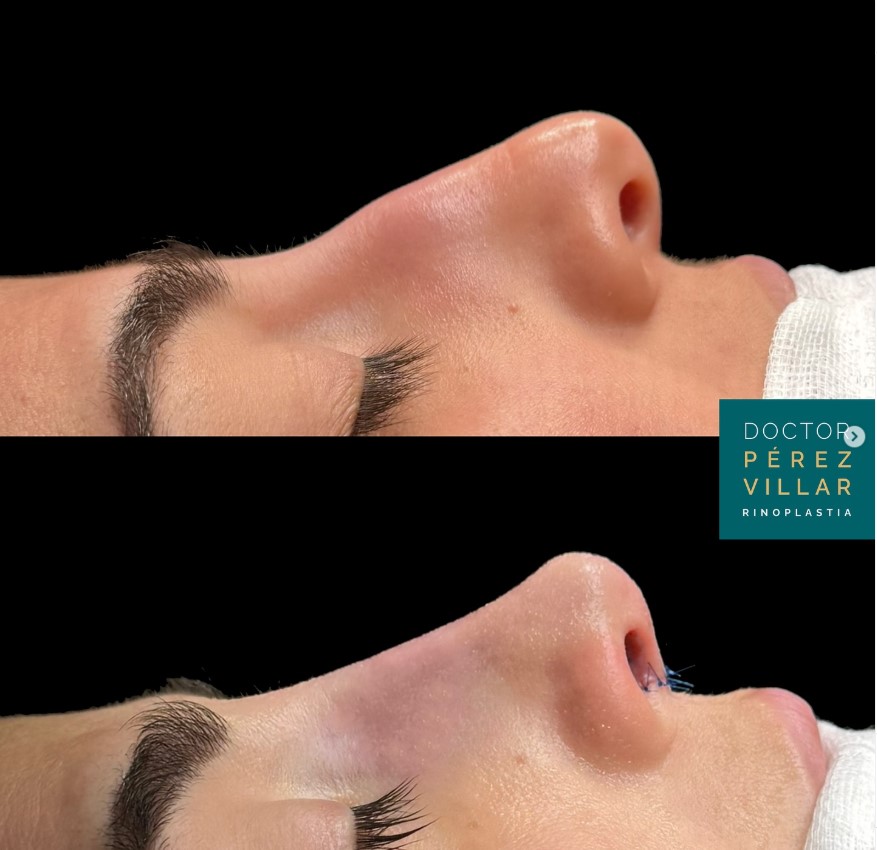
Rhinoplasty is one of the most sought-after cosmetic surgeries in Spain, and at Clínica Pérez Villar, located in Santander and led by the renowned Dr. Álvaro Pérez Villar, we offer the most advanced techniques to ensure natural and safe results. In this article, we will analyze the differences between the postoperative recovery of ultrasonic rhinoplasty and traditional rhinoplasty, helping our patients make an informed decision.
Differences Between Ultrasonic and Traditional Rhinoplasty
Before diving into postoperative recovery, it is important to understand the differences between the two techniques:
- Traditional Rhinoplasty: Uses conventional surgical instruments, such as chisels and hammers, to reshape the bones and cartilage of the nose. While effective, this method can cause greater trauma to the surrounding tissues.
- Ultrasonic Rhinoplasty: Relies on a high-precision ultrasonic device that sculpts the bones without damaging soft tissues. This technology minimizes trauma, leading to a more comfortable recovery process for the patient.
Postoperative Recovery of Traditional Rhinoplasty
The postoperative recovery of traditional rhinoplasty is usually longer and, in some cases, more uncomfortable due to the greater trauma caused during the procedure:
- Swelling and Bruising: The manual manipulation of bones causes significant inflammation and bruising around the eyes, which may take 2 to 3 weeks to subside.
- Pain: Although controlled with medication, some patients experience discomfort in the first few days.
- Recovery Time: Returning to daily activities may take 10 to 15 days, depending on the case.
- Final Results: The definitive results may take several months to become fully visible as the swelling completely subsides.
Postoperative Recovery of Ultrasonic Rhinoplasty
In comparison, the postoperative recovery of ultrasonic rhinoplasty offers notable advantages that enhance the patient’s experience:
- Less Swelling and Bruising: Thanks to the precision of the ultrasonic device, soft tissues suffer less damage, reducing inflammation and bruising.
- Faster Recovery: Patients usually resume their routine in approximately 7-10 days.
- Less Pain: The procedure is less invasive, minimizing discomfort during the initial days.
- More Predictable Results: The ultrasonic technology allows for more precise reshaping, contributing to more natural aesthetic outcomes.
Common Postoperative Care for Both Techniques
Regardless of the technique used, following the surgeon’s instructions is essential to ensure optimal recovery:
- Avoid Physical Strain: During the first few weeks, it is important to avoid intense activities to prevent complications.
- Sun Protection: Using sunscreen and avoiding direct sun exposure helps prevent skin discoloration and changes.
- Protect Against Impacts: Avoid any impact to the nose while it is healing.
Conclusion
At Clínica Pérez Villar, we specialize in offering a personalized approach for each patient, assessing their needs and expectations. If you are considering rhinoplasty in Santander, we invite you to schedule a consultation with Dr. Álvaro Pérez Villar, who will guide you on the best option for you.
Ultrasonic rhinoplasty represents a significant advancement in cosmetic surgery, especially regarding postoperative recovery, offering a faster and more comfortable healing process. However, each patient is unique, and the final decision will depend on an individualized evaluation.
If you want to learn more about our rhinoplasty techniques, contact us and take the first step towards a more harmonious and functional nose.